Part VIII
Chapter 39: Beyond Duality — Reflections in the Void
Estimated reading time: 4 min
The return changes how the familiar world meets you.
That shift can follow a profound Void encounter or grow through ordinary attention: a silence between thoughts, a softening between skin and air. Either can alter the texture of ordinary contact.
A cup on the counter, late light on the wall, a stranger’s glance—each thing arrives closer than it used to. The gap between seeing and being seen thins.
What once seemed separate begins to meet within a wider field.
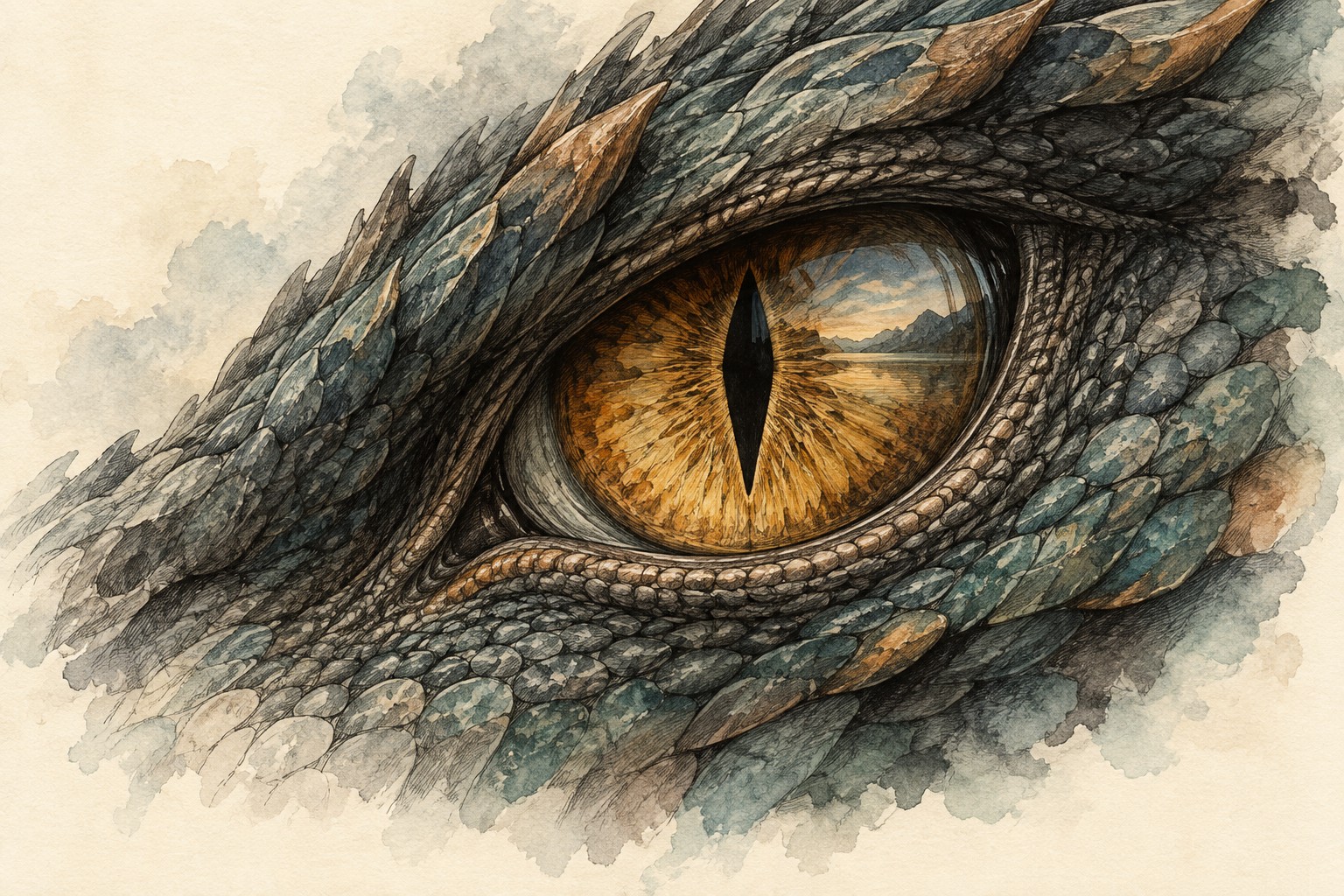
Indra’s Net in the Body
Interconnectedness can arrive first as body-knowledge: shoulders unhook, the jaw softens, breath drops lower, and the room feels less like “out there.”
Only later does the old name return: Indra’s Net, a cosmos where every jewel reflects all others. What was once an elegant idea—beautiful, persuasive, and still at arm’s length—begins to feel close.
Now the “self” is felt as a whole-within-wholes, nested in a living weave. Distinct selves remain, yet their meeting is felt as resonance inside a shared field. A word lands in another’s nervous system and you feel the echo in your own body; tone, timing, posture, and silence change the room before anyone explains why.
Fear still bargains for security; the felt web makes another kind of love more visible—freedom held through clear agreements, room for difference, and repair when contact breaks.
Because the web is felt, ethics moves from abstraction into lived consequence. Harm can register as dissonance in the body and disturbance in the shared room; dissonance is signal, not verdict. Integrity is the reality-answerable congruence of owned, life-serving values, words, and deeds.
Even solitude has intimate moments: the room holds, the cup is enough company, and silence stops reading as abandonment. In those moments, loneliness becomes a sanctuary where truth can breathe without interruption.
The Mind Watching Itself
The mind still loops after the Void. Stories still try to close the world into a shape you can control.
Sometimes you notice the old sentence assembling itself before the loop closes around you. Dynamic Emergence stops being theory here and is felt as weather: thoughts and identities forming, shifting, and dispersing inside a vast, silent climate.
From there, you can meet the loop with tenderness without letting it write the verdict. The aim is to meet the human mind from a ground wide enough to hold it.
Fractal Holography
From the silence of the Void, forms bloom without exhausting the depth that gives rise to them. There, fractal and holographic vision arrive together: pattern repeating across scale, and each bounded life carrying a structured trace through which the larger pattern can become legible.
The microcosm is no longer something you admire from afar but something you inhabit. Attention begins to feel jewel-like, each facet reflecting the larger pattern of Indra’s Net, until the distance between observer and living web begins to fall away.
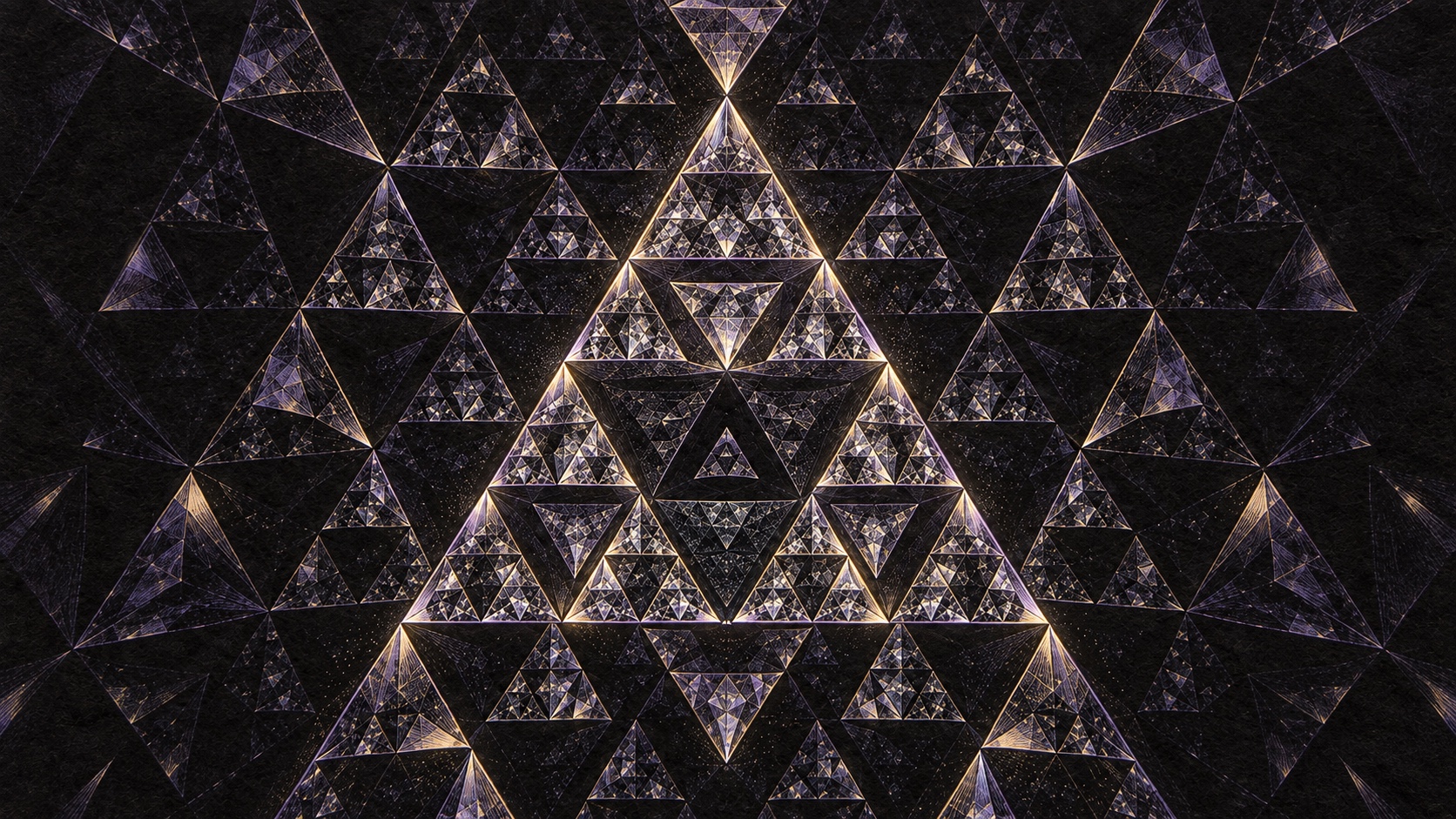
Coastlines, ferns, and snowflakes read less like examples and more like kin: self-similar patterning across scales.
Limitations feel less like barriers and more like the boundaries that allow depth to appear. The infinite registers as depth at the bottom of your own breath, not a destination ahead.
When possibility feels this near, choices carry more than private consequence. The Field of Potential is sensed as the threshold where a possible action gathers before it becomes form.
Even then, participation is not projection. Perception still filters; body state, history, agreements, and limits still shape what becomes available.
Participatory Reality becomes intimate contact with constraint: one coherent choice made inside a field you do not control.
The Dragon does not force its will upon the world. It draws power from stillness and acts without drama: a clarifying word, an exact limit, a silence that does not collude.
The Reflection Is You
Beyond duality is not an idea you hold—it is what you do when the mind snaps the world into opposites.
The story narrows into me vs. you, right vs. wrong, safe vs. threatened. If danger is real, honour the signal: create distance, seek help, or set the boundary. If no present danger is evident, contraction may signal an old loop. Let it prompt a pause and context check rather than decide what is happening.
Then choose one true move: offer repair, state a boundary, or let the wave pass without feeding it. You can feel connection without dissolving into it.